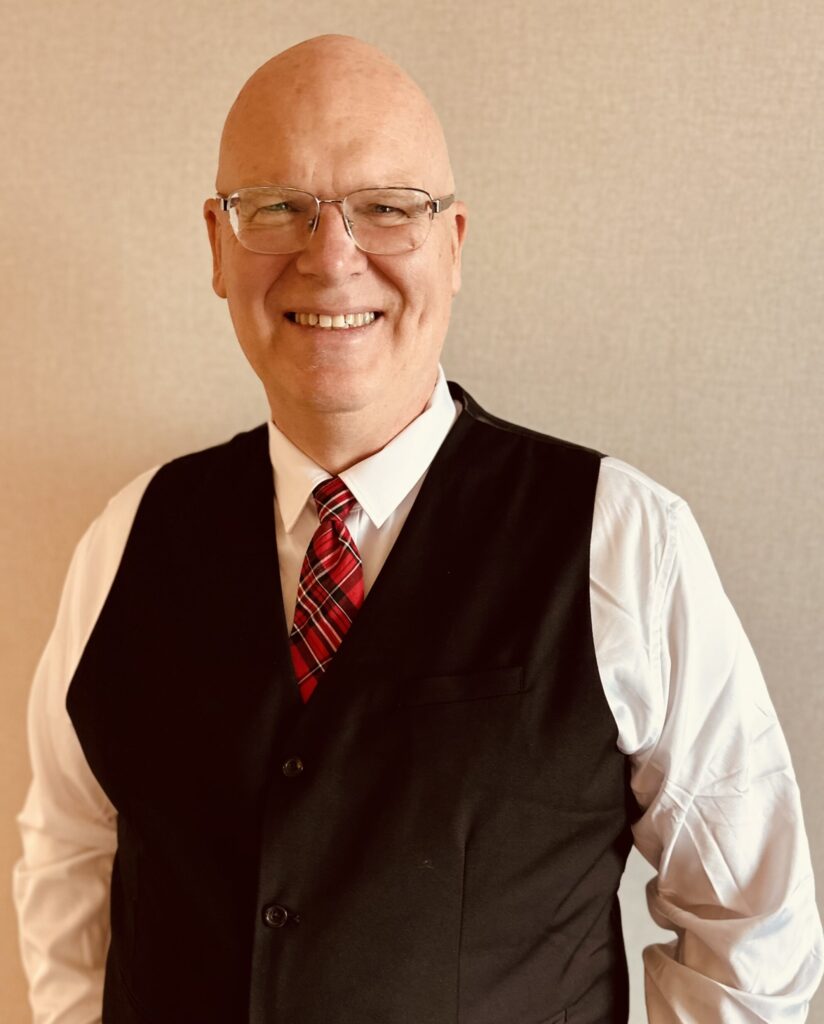
Paul D. Butler, D.Min., M.Div., MA, MHC-LP, is a mental health clinician at Doria Therapeutic Group, PLLC, specializing in trauma, substance use disorders, grief and loss, moral injury, life transitions, and the intersection of meaning-making and mental health. He offers a flexible, relational therapeutic style grounded in compassion, collaboration, and whole-person care.
Paul’s path into mental health counseling reflects a lifetime of accompanying people through vulnerability, transition, and transformation. He holds a Doctor of Ministry (D.Min.) degree, along with graduate training in Mental Health Counseling and Spiritual Integration from Fordham University. His background includes service in the U.S. Navy Submarine Service, years as a Roman Catholic priest and spiritual director, and extensive work in hospitals, hospice, addiction treatment, and mission leadership—experiences that shaped a counseling philosophy rooted in dignity, deep listening, and whole-person healing.
Life on a submarine taught Paul steadiness under pressure, while ministry and spiritual direction cultivated presence, reflection, and the ability to hold space for others. His work in hospice, chaplaincy, and addiction recovery further strengthened his trauma-informed, culturally humble, and integrative clinical approach, enriched by the personal gifts of being a husband and father.
Paul draws from CBT, Motivational Interviewing, mindfulness-based interventions, narrative therapy, and spiritually integrated approaches (when welcomed by patients). He is committed to creating a safe, respectful, and empowering space where patients feel seen and supported. Clear boundaries, nonjudgmental presence, attunement, and curiosity allow patients to move at a pace that honors their strengths and lived experiences.